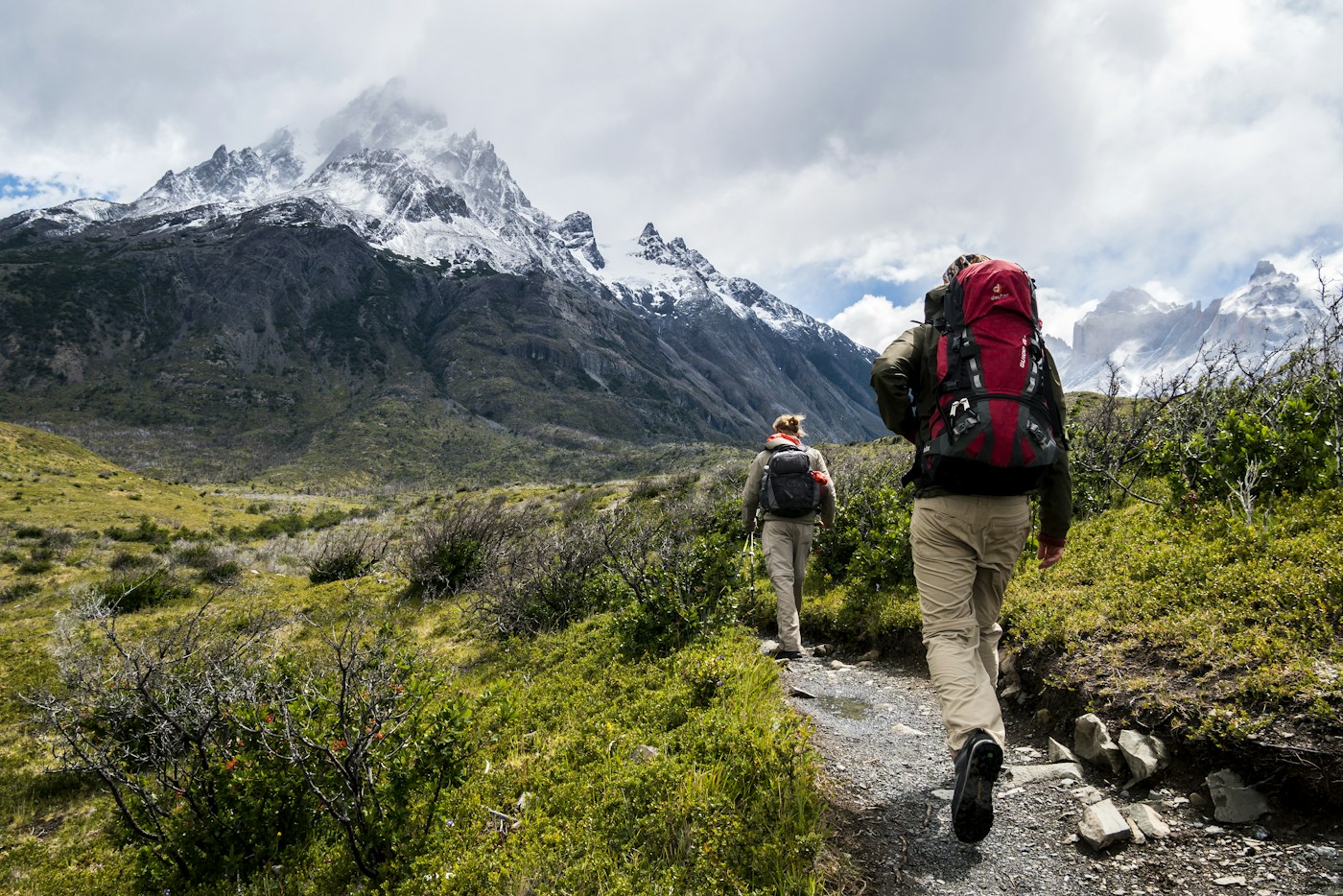
Towering limestone peaks, alpine refugios with four-course dinners, and trails that seem designed by someone who wanted hikers to feel genuinely small — the Alta Via 1 from Lago di Braies to Belluno.
July 30, 2025
The name comes from the French geologist Déodat de Dolomieu, who first described the rock in 1791 and had no idea that 230 years later, people would be paying significant sums to hurt their knees walking up and down enormous columns of it.
The Dolomites are a UNESCO World Heritage site, a distinct geological formation in the northeastern corner of Italy where the mountains look genuinely different from anything else in Europe — pale towers and saw-toothed ridges of dolomitic limestone that turn from white to pink to orange to red depending on the hour and the weather. The Italian word for this phenomenon is enrosadira. The English translation doesn't quite work. Call it alpenglow and understand that's insufficient.
The Alta Via 1: Twelve Days End-to-End
The Alta Via 1 is a high-level route running roughly 150 kilometers from Lago di Braies in the north to Belluno in the south. It doesn't cross any peaks — it traverses the massifs at elevation, using passes and high valleys to stay consistently above 2,000 meters for most of its length.
The defining feature of the route is the rifugio system. Every night, you sleep in a mountain hut — sometimes a simple bunkhouse, sometimes something that functions essentially as a hotel at altitude, complete with dining rooms, wine lists, and staff who have strong opinions about what you should order. The cooking at the better refugios is genuinely serious. This is the Italian Alps: the mountains are magnificent and the dinner is also an event.
Stage by Stage
Days 1–3 (Braies to Puez): The opening stages through Fanes-Sennes-Braies Natural Park establish the route's character — long traverses across scree slopes, descents into narrow valleys, the sudden drama of vertical walls rising from meadowed floors. The Rifugio Lavarella, perched above the treeline in a bowl of peaks, serves a local pasta with mountain herbs that I ate twice in the same evening.
Days 4–5 (Puez to Corvara): The crossing of the Puez plateau is the route's most exposed section — a high, bare table of rock where weather can change in minutes. We crossed in light cloud that kept threatening to become something worse and didn't. The descent to Corvara goes through the Vallunga, a long glacial valley of almost theatrical beauty.
Days 6–7 (Corvara to Passo Falzarego): These are the route's technical days — via ferrata sections, fixed cables on steep rock faces. The routes are well-maintained and accessible to anyone with reasonable fitness and a head for heights, but they demand full attention and appropriate equipment (harness, via ferrata set, helmet).
Days 8–10 (Cinque Torri area): The five towers of the Cinque Torri are the Dolomites' most photographed formation, and they are exactly as impressive in person as in every photograph you've seen of them. The light at golden hour turns the rock faces into something that doesn't look geological.
Days 11–12 (Descent to Belluno): The route's final descent is long and changes character sharply — from alpine zone to forest to vineyard to town. Belluno, a proper Venetian city at the foot of the mountains, provides the particular satisfaction of arriving somewhere fully on foot.
The Refugio Culture
Understanding the rifugio is key to enjoying the Alta Via. These are not camping shelters. The better ones — Rifugio Lagazuoi, Rifugio Croda da Lago, Rifugio Averau — serve three-course dinners with local wine and expect you to appreciate this. Dinner typically runs from 7 to 9 p.m., structured and unhurried.
Book ahead. The route has become popular enough that the best refugios fill weeks in advance in July and August. Mid-September is quieter and the larch trees turn yellow.
Pack weight: Aim for under 10 kg with water. Every extra kilo becomes ideological by day five.
Best time: Mid-July to late September. July for snowfree passes; September for the larches and the empty trails.
The Dolomites reward slow travel and punish the hurried. Take your time. Eat everything.