A week aboard a 42-foot sloop, threading between Santorini, Folegandros, and Milos — on living slowly, swimming constantly, and why the most beautiful meal is the simplest one.
June 12, 2025
Day three, anchored off the eastern coast of Folegandros. Nobody on shore. Nobody on the water except us. The light at 7 p.m. on the Cyclades in June is the light that painters have been chasing for centuries — amber and lateral, throwing shadows that make every rock face look like it's been carved for a purpose.
We ate dinner in the cockpit: bread from Hora that morning, a half-kilo of olives, sardines we'd bought off a fishing boat that intercepted us near the cape, and a bottle of Assyrtiko that cost nine euros and tasted like the sea had learned to ferment.
This is the arithmetic of sailing the Greek islands: the expenses are small, the pleasures are disproportionately large, and time slows to a rate that feels irresponsible to people who don't need to explain it to anyone.
The Logistics of Bareboat Charter
You don't need to own a boat. You need a skipper's certificate (RYA Day Skipper or equivalent) and enough sea time to satisfy the charter company's insurance requirements. If you don't have these, charter companies offer skippered options where a local captain handles navigation and you focus entirely on the experience.
We chartered through a company in Athens — a 42-foot Jeanneau Sun Odyssey, paid for by four people, which brought the cost per person to something comparable to a moderate hotel. The boat came with charts, safety equipment, and a briefing from a charter manager who had strong opinions about anchoring etiquette and no patience for sailors who drag their anchor onto other people's chains.
The Islands: A Loose Itinerary
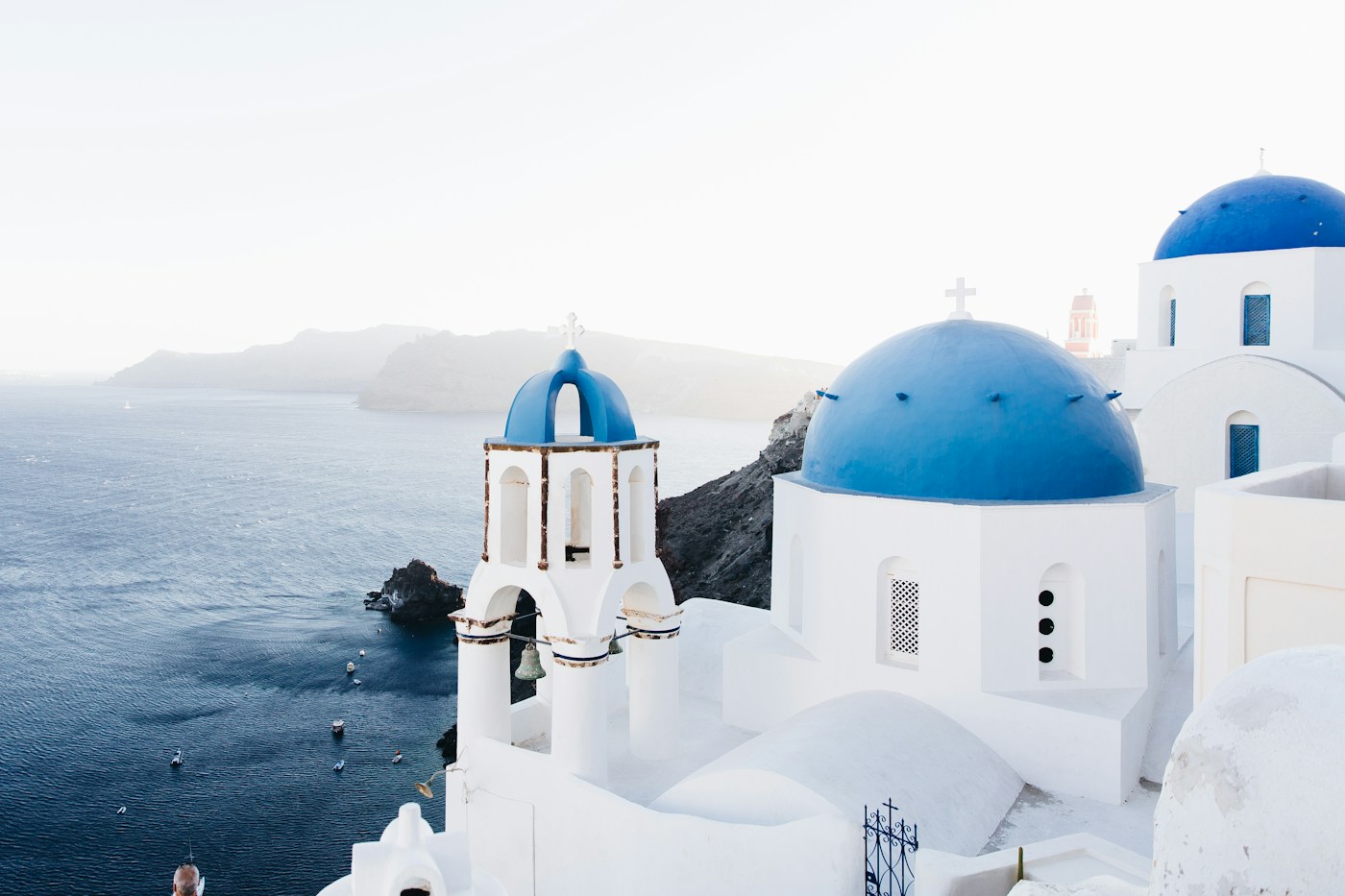
Santorini (Days 1–2): Arrive, provision, recover from the crowds. The caldera anchorage at Santorini is spectacular and expensive and crowded with superyachts and charter boats all jostling for space. The view from the water looking up at Oia is genuinely one of the best views on earth. Then leave.
Folegandros (Days 2–3): The reward for leaving Santorini. One main town, no airport, a ferry once a day. The chora at the top of the cliff is whitewashed and perfect and almost entirely free of souvenir shops. We anchored in Vathy Bay, deserted, crystal water over sand, and swam for three hours.
Milos (Days 4–5): The volcanic island. The geology here is extraordinary — colored rock formations, sea caves, beach configurations that look engineered. Sarakiniko beach, with its white pumice formations against deep blue water, is so alien it seems implausible. The fishing village of Klima, with its boathouses painted in primary colors, is the best-looking harbor I've seen in the Mediterranean.
Sifnos (Day 6): Famous in Greece for its cooking. The island's culinary reputation is serious and well-earned — the chefs trained here go everywhere. We tied up in Kamares and ate at a taverna that had been in operation since 1931. The mastelo (lamb slow-cooked in a clay pot with red wine and herbs) was worth the entire trip.
Back to Santorini (Day 7): Return the boat, fly home, spend the flight trying to recalibrate to a pace that makes sense in offices and supermarkets.
What Sailing Changes
There's a particular quality to travel that eliminates hotels — the way it strips out the artificial transitions between arriving somewhere, existing somewhere, and leaving. When you sail from island to island, the journey and the destination dissolve into each other. You wake up somewhere beautiful because you navigated there in the dark, and the effort makes the arrival different.
The sea also has a way of organizing the day around fundamentals: weather, wind, light, food, water. Everything else — every distraction available on land — becomes irrelevant. This is the thing about sailing holidays that nobody warns you about adequately: you may come back with a recalibrated sense of what a good day actually requires.
It requires much less than you thought. It requires the right light, the right water, and someone who bought bread that morning.