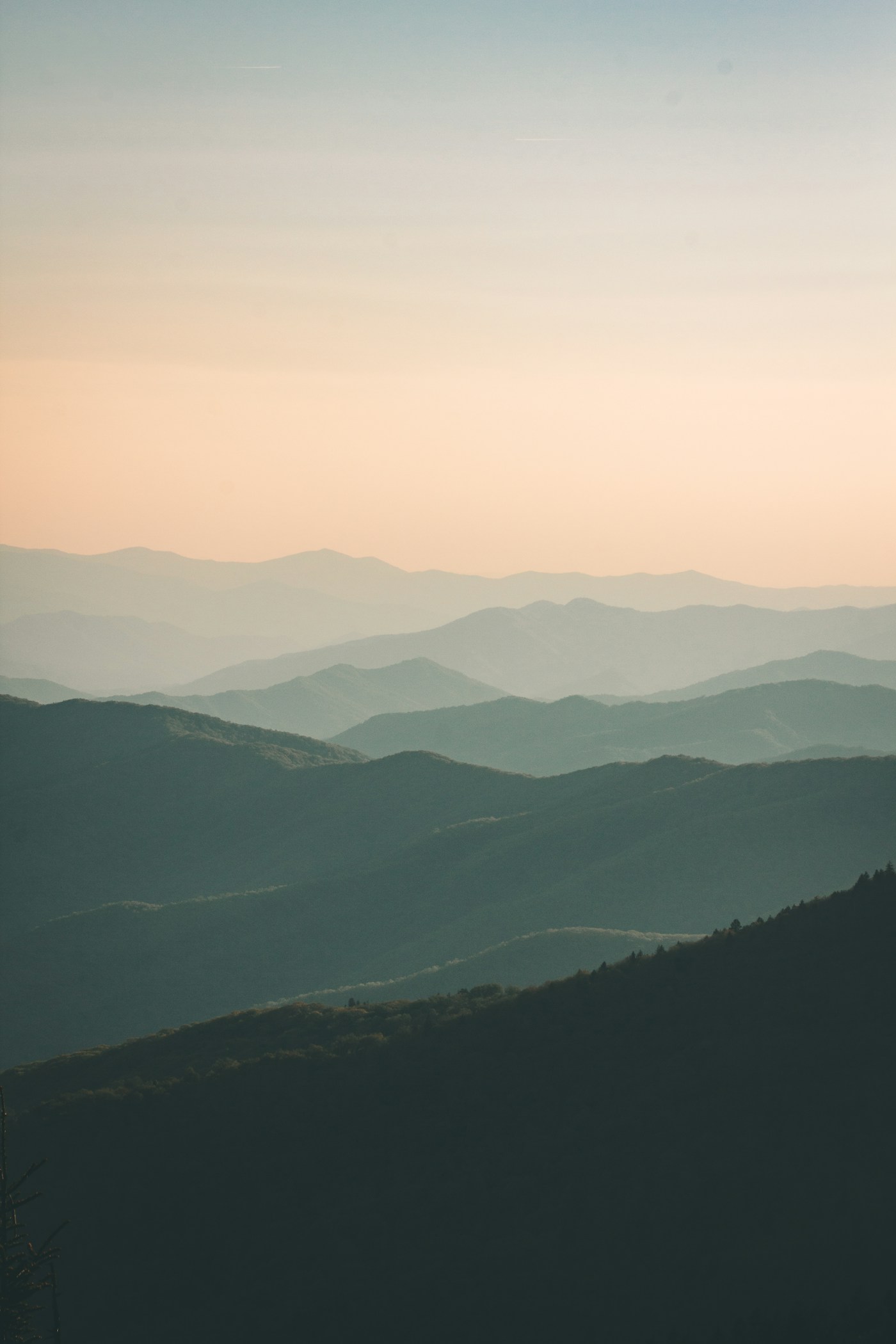
Torres del Paine is one of the world's great wilderness destinations — and also one of its most tested. On hiking the W Trek, the unpredictable weather, and the strange peace of being somewhere genuinely remote.
August 22, 2025
The wind here is categorical. It doesn't blow — it enforces. Standing on the ridge above Mirador Las Torres on the second morning, with the three granite towers catching the early light directly in front of us and a horizontal gale from the west strong enough to lean into at 45 degrees, I understood for the first time why Patagonia has a particular reputation among people who travel to difficult places.
The landscape is extreme in a way that photographs cannot adequately convey. The photographs always look like a performance of wildness. The reality is quieter and more complete — the sense of being in a place that operated perfectly well before humans arrived and will continue to do so after we leave.
The Torres del Paine W Trek: Five Days
The W Trek is the standard route through the park — named for the rough shape it traces across the map. It takes five to seven days depending on pace, covers roughly 80 kilometers, and passes through four distinct ecosystems: wind-swept steppe, lake shore, glacial moraine, and the base of the central massif.
The trek is well-marked and commercially organized — refugios and campsites spaced at convenient intervals, booking required months in advance for the November–March high season. This is not a wilderness survival situation. It is, however, a genuine physical undertaking in conditions that change rapidly and without apology.
Day 1 (Paine Grande to Grey Glacier): The approach to Grey Glacier crosses an exposed moraine field. The glacier itself, calving into the milky lake, is the color of compressed centuries — deep blue in the cracks, white at the surface, moving so slowly you have to look twice to confirm it's moving at all. We camped on the moraine edge and woke to ice crystals on the inside of the tent.
Days 2–3 (Valle del Francés): The valley between the main massif and the Paine Grande peak is the trek's dramatic center — waterfalls visible from 10 kilometers away, hanging glaciers that release ice seracs with a sound like distant artillery. The trail narrows to exposed ledges in places. The wind funnels through the valley with focused intensity.
Days 4–5 (Las Torres): The classic finish — waking at 4 a.m. to hike in darkness to reach the mirador at the base of the towers for sunrise. The two-hour predawn approach through boulder field requires headlamps and care. The arrival at the turquoise lake with three granite towers rising 2,500 meters directly above — lit, by the time most hikers arrive, in amber and pink — is one of the more reliably moving experiences available outdoors.
The Weather and the Wind
The park receives over 300 days of wind annually. "Nice weather" in Torres del Paine means winds under 80 km/h. The standard forecast for a given day is: "variable, with the possibility of all four seasons."
This is not an exaggeration used to make the place sound more dramatic. It is a description of reality. We experienced sleet and sunshine within the same hour on two separate days.
The practical implications:
- Waterproof everything. Not just your jacket — your pack, your tent, your documents.
- The poles (walking) are not optional. The trail across the moraine in 80 km/h wind requires something to push against.
- Build buffer days into the itinerary. Trails close when conditions are dangerous. Having flexibility matters.
Getting There
The nearest airport is Punta Arenas, served by LATAM from Santiago multiple times daily. From Punta Arenas, Puerto Natales is a three-hour bus journey. From Puerto Natales, the park is 90 minutes by bus or transfer.
Puerto Natales has become a reasonable base — good gear rental shops, outfitters, and restaurants that understand hungry hikers. The town's estilo patagónico building (corrugated metal, painted in primary colors against the grey weather) has its own rough aesthetic logic.
Book refugio accommodations for the high season (November–March) at least six months in advance. The park's capacity limits are now enforced, and popular campsites fill quickly.
Go in March if the crowds concern you. The season is winding down, the light is longer in the afternoon, and the wind is, marginally, less constant.
The place will not be what you expect. It will be more extreme, more beautiful, and more itself.