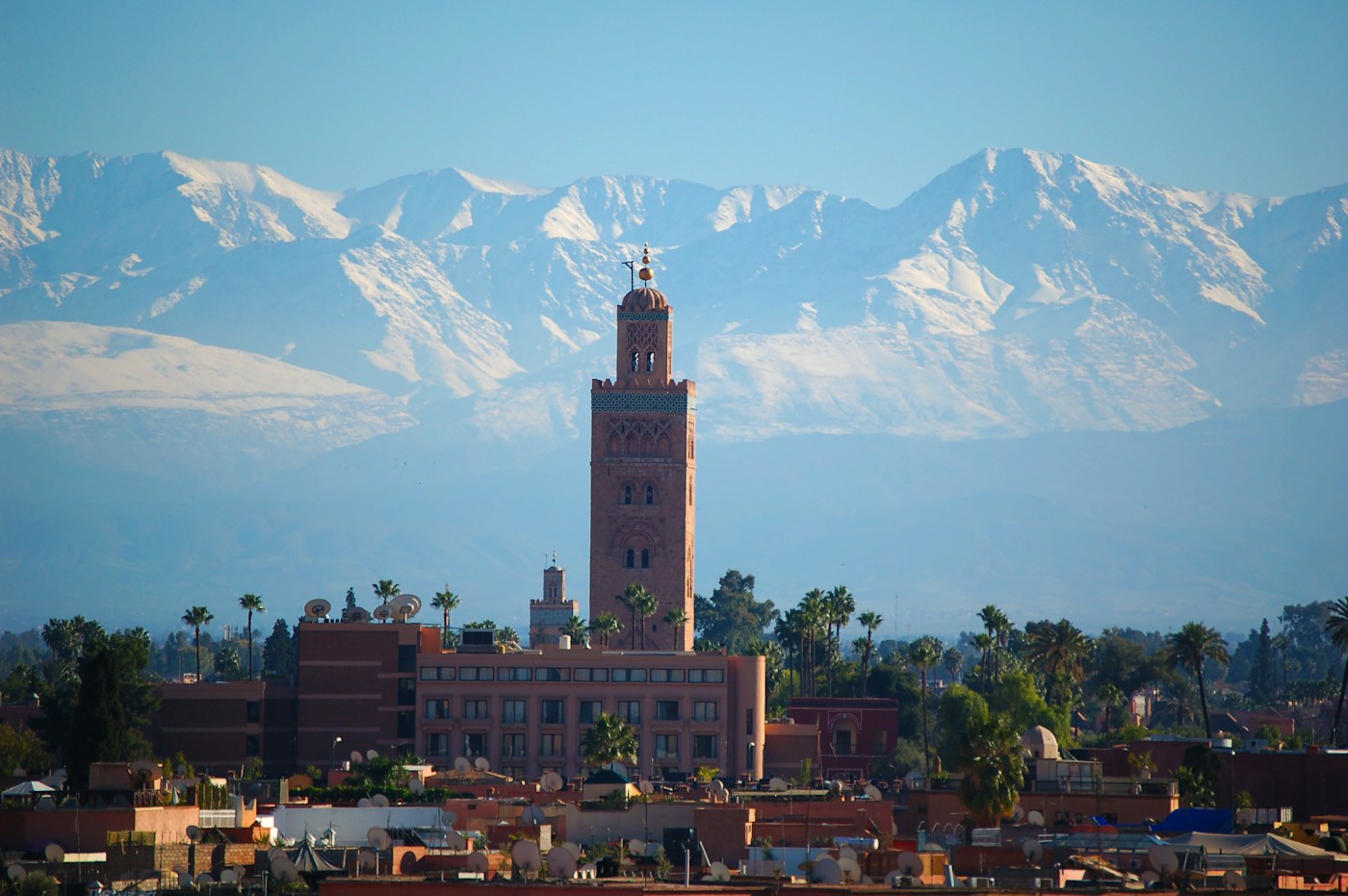
Beyond the tourist trail lies a labyrinth of sensory wonder — spice-scented souks, riad courtyards, and a city that hasn't forgotten how to slow time.
January 15, 2025
The medina doesn't greet you gently. You step through the gate from Djemaa el-Fna and the city swallows you whole — motorbikes threading impossible gaps, a porter balancing ten kilos of cedar on his head, a boy with saffron-stained hands beckoning from a doorway that leads somewhere you can't quite see.
This is how Marrakech works. It doesn't reveal itself to you. It makes you earn it.
Getting Deliberately Lost
My first afternoon, I abandoned the map entirely. Not as a romantic gesture, but out of necessity — the medina's medieval street plan bears no meaningful relationship to any modern cartography. The moment I stopped trying to navigate, everything became interesting.
Down an alley barely wide enough for two people passing sideways, I found a tilemaker's workshop that has operated in the same family for six generations. The patriarch spoke no English, I spoke no Darija, and yet he spent forty minutes showing me how zellige — the interlocking geometric tilework you see in every riad — is chipped by hand from larger fired pieces. Each tiny tile cut individually. The math and muscle memory passed down like a sacred text.
The Souk Education
The souks organize themselves by trade, a system unchanged since medieval guild law. Tanners work near tanners. Coppersmiths beat their wares in percussion proximity. The smell guides you before your eyes do: cedar sawdust means the woodworkers' quarter; the sharp tang of fresh-dyed leather means the tanneries are close.
Bargaining is theater, not combat. The opening price is an invitation to a conversation, not an insult. Shopkeeper Hassan, who sold me a hand-woven djellaba on my third visit to his stall (the first two were reconnaissance), explained the local logic: "The price is the beginning of understanding each other." We settled, eventually, somewhere in the middle, drank mint tea twice, and parted friends.
Riad Life
The city's genius lies in inversion. Streets are chaotic, dusty, loud. Then a plain wooden door in an unremarkable wall opens onto a garden courtyard: orange trees, a tiled fountain, complete stillness. The riad is the medina's secret — that all the city's beauty is turned inward.
I stayed in a 17th-century riad near the dyers' souk. Six rooms arranged around a central courtyard, a rooftop terrace where breakfast materialized at whatever hour you descended: msemen flatbread, argan oil, honey still in the comb, Berber coffee sweetened into something resembling dessert.
What to Know Before You Go
Dress codes matter. In the medina and mosques, cover shoulders and knees. This isn't performance — it's genuine respect that makes you a guest rather than a spectator.
Hire a guide for day one. The fee is modest, the context invaluable. A good guide shortens the learning curve by days and introduces you to corners of the medina no first-timer finds alone.
The best restaurants have no signs. Ask your riad host where they eat on their day off. The answer will be better than anything in any guidebook.
Leave at least five days. Three is enough to be overwhelmed. Five is enough to start feeling the city's rhythm.
Marrakech is a city that punishes half-attention and rewards patience. Come with no particular itinerary, take every offered glass of tea, and get lost as often as possible.